
THE BEST RESTAURANTS IN THE CAPITAL OF CEVICHE:
Lista de los más populares
Lista de los más destacados de 2026
Los destinos gastronómicos más novedosos de este año en la Provincia del Santa.

It is a thankless job: spending 24 dizzying hours at a highly anticipated resort the day before its opening; getting hard-to-get reservations and tasting 12-course menus; navigating to every corner of the world and returning. But hey, someone has to do it. And those lucky ones are our global editors and contributors who have tirelessly lived their travels to the fullest over the last 12 months to create the 30th edition of the Hot List, our meticulously crafted annual compendium of the world's best new (and newly reopened) hotels, restaurants, and cruises. This year's list of the most outstanding restaurants includes the latest and greatest, from small but impressive dining rooms that far exceed expectations, to elegant hotel restaurants with prestigious pedigrees. Now, don't shed a tear for us, but do as we do and enjoy the hospitality of this year's Hot List winners for the best new restaurants.

DELICIOUS CHIMBOTE
The first foray of Rico Chimbote dates back to 1980, founded by veteran chef Don Pedro Tolentino, winners of the best ceviche contest in Peru in 1990. Since then, their menu has featured the dish called "Champion Ceviche," a dish that radiates good energy and the freshness of the port to diners. Their establishment is located on the corner of Jr. Enrique Palacios and Jr. José Olaya, a few blocks from the main square of Chimbote. It has a comfortable and relaxed atmosphere, and from time to time you will have the opportunity to see chef Marlon Tolentino with his apron serving his guests.
Their menu includes different types of ceviche, highlighting the Champion Ceviche, the Cariñito del Rico Chimbote, the Fish Juicy, the Parihuela, Mixed Jalea, as well as Creole dishes such as Duck Bean Stew, Duck Ceviche, Ribs, Guinea Pig, and Tacu tacu. Don't leave without completing the experience by trying their own craft beers and pisco-based cocktails.

LA LANCHITA CEVICHERÍA
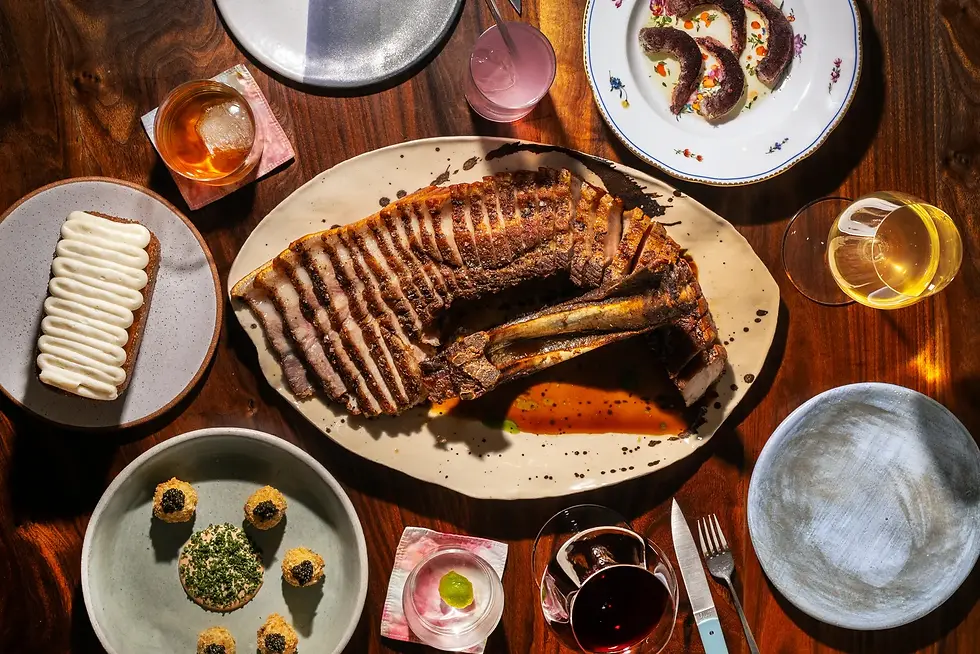
The gastronomic scene of the Peruvian capital has long been dominated by molecular gastronomy chefs, who transform native herbs, tubers, and mollusks into small works of art. So perhaps it is no surprise that the liveliest place in the city is a tavern: an informal bar in a traditional Limeño building with whitewashed walls and creaky floors, where the volume of greetings and jokes between tables increases progressively until closing time. That is the charm of La Perlita, as well as its menu that evokes nostalgia: a spicy tiradito of sea urchin tongues and silverside; a ceviche with an intense red rocoto flavor; a humble and irresistible caigua (a hybrid between a pepper and a cucumber), stuffed with stewed meat and bathed in a broth with a touch of fat. Whether you are at a table, on a stool at the bar, or by a window overlooking the street, stay until the piano starts playing at night; sometimes, diners cannot help but get up and dance. —Megan Spurrell

RESTAURANTE 3
Si tenemos en cuenta el impresionante currículum culinario del chef James Yeun Leong Parry, con experiencia en restaurantes con estrellas Michelin de todo el mundo, como Bo Innovation en Hong Kong y Benu en San Francisco, cabría esperar que en The Happy Crane, su propio restaurante chino moderno, ofreciera un menú degustación de varios platos de varias horas de duración. Sin embargo, ha optado por un enfoque más accesible, manteniendo la misma atención al detalle y la misma exquisitez. El dim sum y otros platos se elaboran en casa: desde los resbaladizos rollitos de arroz con cangrejo, rellenos de una generosa cantidad de carne Dungeness y fideos de arroz recién molido, hasta las empanadillas de guisantes tirabeques rellenas de verduras y coronadas con espuma de guisantes (¡sigue siendo un chef de primera!). No dejen de probar la codorniz, inspirada en el jugoso pato asado cantonés, con su piel crujiente. Se marina, se escalda, se glasea, se madura en seco, se fríe, se asa a la parrilla y, finalmente, se rocía en el wok con aceite; todo el proceso requiere cinco días de preparación. Se puede apreciar todo ese trabajo desde el primer bocado; un esfuerzo que bien vale la pena por el sabor. —Omar Mamoon
RESTAURANTE 4
This space on Rue Saint-Sauveur has three parts: Comptoir De Vie serves a seven-course menu; Bar De Vie offers a tasting of drinks and appetizers; and Cave De Vie is a hybrid shop and bar space. The house concept is a commitment to sustainability and waste minimization. Drinks are chilled without ice (commercial machines can use 10 liters of water for every liter of ice produced), and most ingredients appear in multiple dishes and drinks: a duck leg arrives in a bao bun at the beginning of the meal, and later its breast shines as a main course; candied pumpkin is bathed in a kimchi hollandaise sauce in one dish, while the pumpkin seeds are fermented and turned into ice cream for dessert, just as a pumpkin liqueur appears in the after-dinner cocktail. Although the menu, which changes seasonally, is very varied, the country's richness—often sourced from the Île-de-France region itself—shines through, without a single peel, seed, or scrap going to waste. —Devorah Lev-Tov


RESTAURANT 5
Si tenemos en cuenta el impresionante currículum culinario del chef James Yeun Leong Parry, con experiencia en restaurantes con estrellas Michelin de todo el mundo, como Bo Innovation en Hong Kong y Benu en San Francisco, cabría esperar que en The Happy Crane, su propio restaurante chino moderno, ofreciera un menú degustación de varios platos de varias horas de duración. Sin embargo, ha optado por un enfoque más accesible, manteniendo la misma atención al detalle y la misma exquisitez. El dim sum y otros platos se elaboran en casa: desde los resbaladizos rollitos de arroz con cangrejo, rellenos de una generosa cantidad de carne Dungeness y fideos de arroz recién molido, hasta las empanadillas de guisantes tirabeques rellenas de verduras y coronadas con espuma de guisantes (¡sigue siendo un chef de primera!). No dejen de probar la codorniz, inspirada en el jugoso pato asado cantonés, con su piel crujiente. Se marina, se escalda, se glasea, se madura en seco, se fríe, se asa a la parrilla y, finalmente, se rocía en el wok con aceite; todo el proceso requiere cinco días de preparación. Se puede apreciar todo ese trabajo desde el primer bocado; un esfuerzo que bien vale la pena por el sabor. —Omar Mamoon

RESTAURANTE 6
Este espacio en la Rue Saint-Sauveur tiene tres partes: Comptoir De Vie sirve un menú de siete platos; Bar De Vie ofrece una degustación de bebidas y aperitivos; y Cave De Vie es un espacio híbrido de tienda y bar. El concepto de la casa es un compromiso con la sostenibilidad y la minimización de residuos. Las bebidas se enfrían sin hielo (las máquinas comerciales pueden usar 10 litros de agua por cada litro de hielo producido), y la mayoría de los ingredientes aparecen en varios platos y bebidas: una pata de pato llega en un panecillo bao al comienzo de la comida, y más tarde su pechuga brilla como plato principal; la calabaza confitada se baña en una salsa holandesa de kimchi en un plato, mientras que las semillas de la calabaza se fermentan y se convierten en helado para el postre, al igual que un licor de calabaza aparece en el cóctel de después de la cena. Aunque el menú, que cambia según la temporada, es muy variado, la riqueza del país —a menudo procedente de la propia región de Île-de-France— brilla con luz propia, sin que se desperdicie ni una sola cáscara, semilla o trozo. —Devorah Lev-Tov

RESTAURANTE 7
Si tenemos en cuenta el impresionante currículum culinario del chef James Yeun Leong Parry, con experiencia en restaurantes con estrellas Michelin de todo el mundo, como Bo Innovation en Hong Kong y Benu en San Francisco, cabría esperar que en The Happy Crane, su propio restaurante chino moderno, ofreciera un menú degustación de varios platos de varias horas de duración. Sin embargo, ha optado por un enfoque más accesible, manteniendo la misma atención al detalle y la misma exquisitez. El dim sum y otros platos se elaboran en casa: desde los resbaladizos rollitos de arroz con cangrejo, rellenos de una generosa cantidad de carne Dungeness y fideos de arroz recién molido, hasta las empanadillas de guisantes tirabeques rellenas de verduras y coronadas con espuma de guisantes (¡sigue siendo un chef de primera!). No dejen de probar la codorniz, inspirada en el jugoso pato asado cantonés, con su piel crujiente. Se marina, se escalda, se glasea, se madura en seco, se fríe, se asa a la parrilla y, finalmente, se rocía en el wok con aceite; todo el proceso requiere cinco días de preparación. Se puede apreciar todo ese trabajo desde el primer bocado; un esfuerzo que bien vale la pena por el sabor. —Omar Mamoon
RESTAURANT 8
This space on Rue Saint-Sauveur has three parts: Comptoir De Vie serves a seven-course menu; Bar De Vie offers a tasting of drinks and appetizers; and Cave De Vie is a hybrid shop and bar space. The house concept is a commitment to sustainability and waste minimization. Drinks are chilled without ice (commercial machines can use 10 liters of water for every liter of ice produced), and most ingredients appear in several dishes and drinks: a duck leg arrives in a bao bun at the beginning of the meal, and later its breast shines as a main course; candied pumpkin is bathed in a kimchi hollandaise sauce in one dish, while the pumpkin seeds are fermented and turned into ice cream for dessert, just as a pumpkin liqueur appears in the after-dinner cocktail. Although the menu, which changes seasonally, is very varied, the richness of the country—often coming from the Île-de-France region itself—shines on its own, without a single peel, seed, or scrap going to waste. —Devorah Lev-Tov
RESTAURANT 9
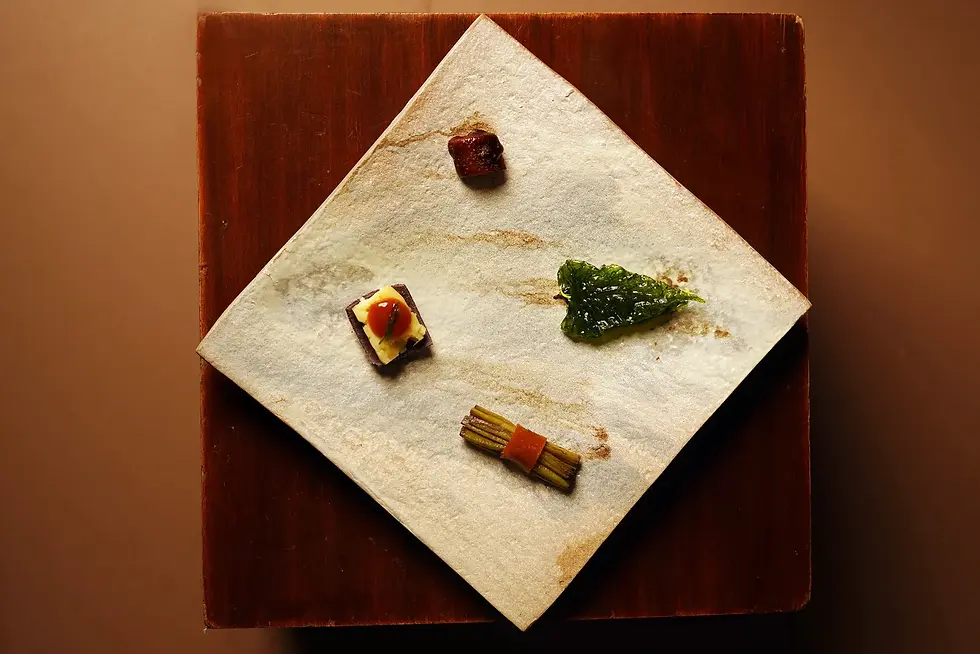
Given the impressive culinary resume of chef James Yeun Leong Parry, with experience in Michelin-starred restaurants around the world, such as Bo Innovation in Hong Kong and Benu in San Francisco, one might expect that at The Happy Crane, his own modern Chinese restaurant, he would offer a multi-course, multi-hour tasting menu. However, he has opted for a more accessible approach, maintaining the same attention to detail and exquisiteness. The dim sum and other dishes are made in-house: from the slippery crab rice rolls, filled with a generous amount of Dungeness meat and freshly ground rice noodles, to the snow pea dumplings filled with vegetables and topped with pea foam (he is still a top-tier chef!). Don't miss the quail, inspired by juicy Cantonese roast duck, with its crispy skin. It is marinated, blanched, glazed, dry-aged, fried, grilled, and finally, wok-tossed in oil; the entire process requires five days of preparation. You can appreciate all that work from the first bite; an effort well worth it for the flavor. —Omar Mamoon
RESTAURANT 10
This space on Rue Saint-Sauveur has three parts: Comptoir De Vie serves a seven-course menu; Bar De Vie offers a tasting of drinks and appetizers; and Cave De Vie is a hybrid shop and bar space. The house concept is a commitment to sustainability and waste minimization. Drinks are chilled without ice (commercial machines can use 10 liters of water for every liter of ice produced), and most ingredients appear in multiple dishes and drinks: a duck leg arrives in a bao bun at the beginning of the meal, and later its breast shines as a main course; candied pumpkin is bathed in a kimchi hollandaise sauce in one dish, while the pumpkin seeds are fermented and turned into ice cream for dessert, just as a pumpkin liqueur appears in the after-dinner cocktail. Although the menu, which changes seasonally, is very varied, the country's bounty—often sourced from the Île-de-France region itself—shines brightly, without a single peel, seed, or scrap going to waste. —Devorah Lev-Tov