

Chimbotan Handicrafts
Handicrafts can also express the gastronomic culture of a territory by acting as the physical and visual link between culinary traditions and the identity of a people. They are not just decorative objects; they are living tools that tell what people eat, how they prepare it, and how they celebrate around the table.
Here I show you how both worlds are deeply connected:
The material dictates the flavor
(01)

Especialización funcional
(02)

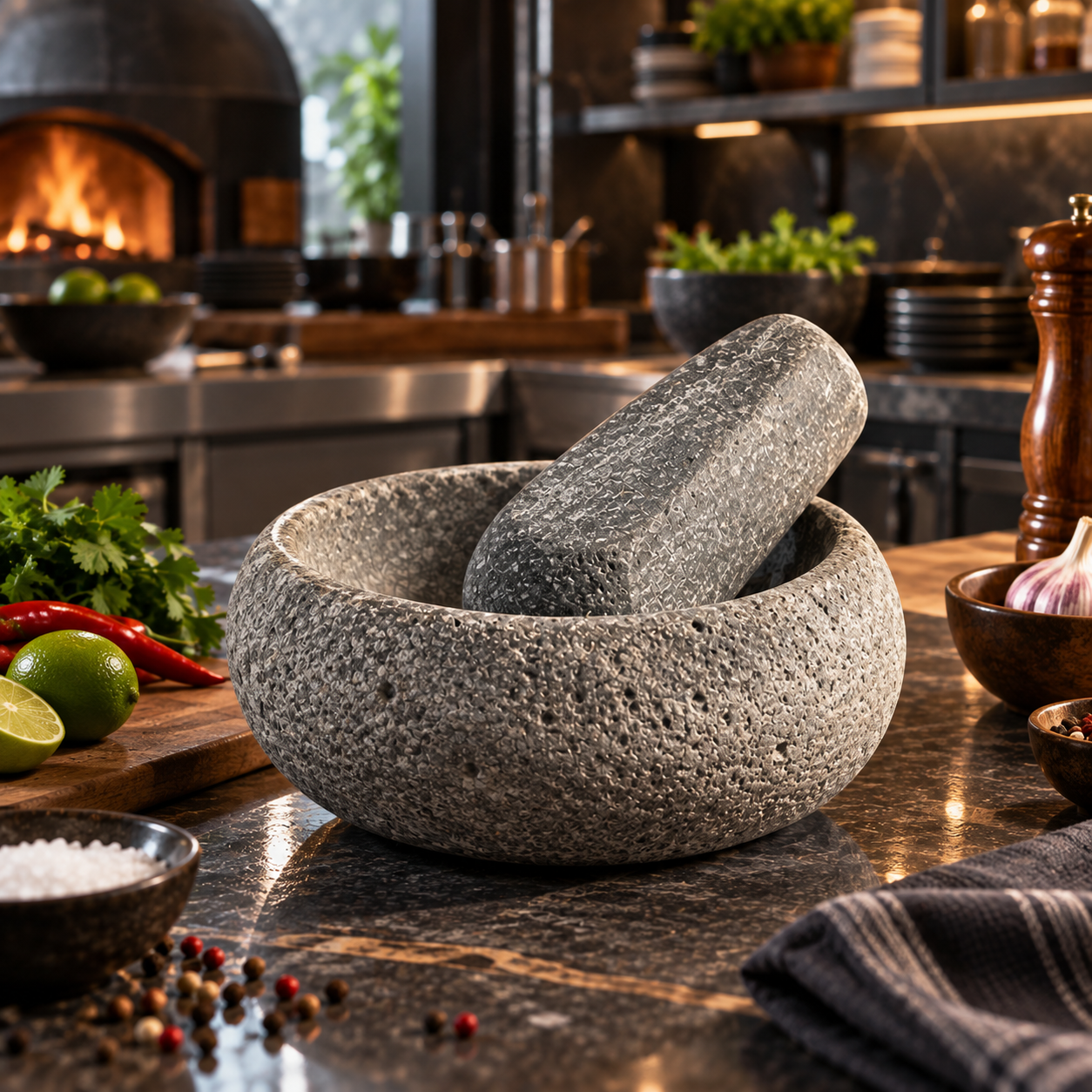
Cazuelas de barro, morteros de piedra o madera tallada están pensados para machacar, cocer o conservar alimentos específicos, aportando texturas y sabores imposibles de replicar con utensilios industriales.
A clay comal exists because there is a culture of corn and tortillas; a bamboo steamer responds to a gastronomy based on rice and steaming.
Narrative crafts
(03)

Celebration of eating
(04)

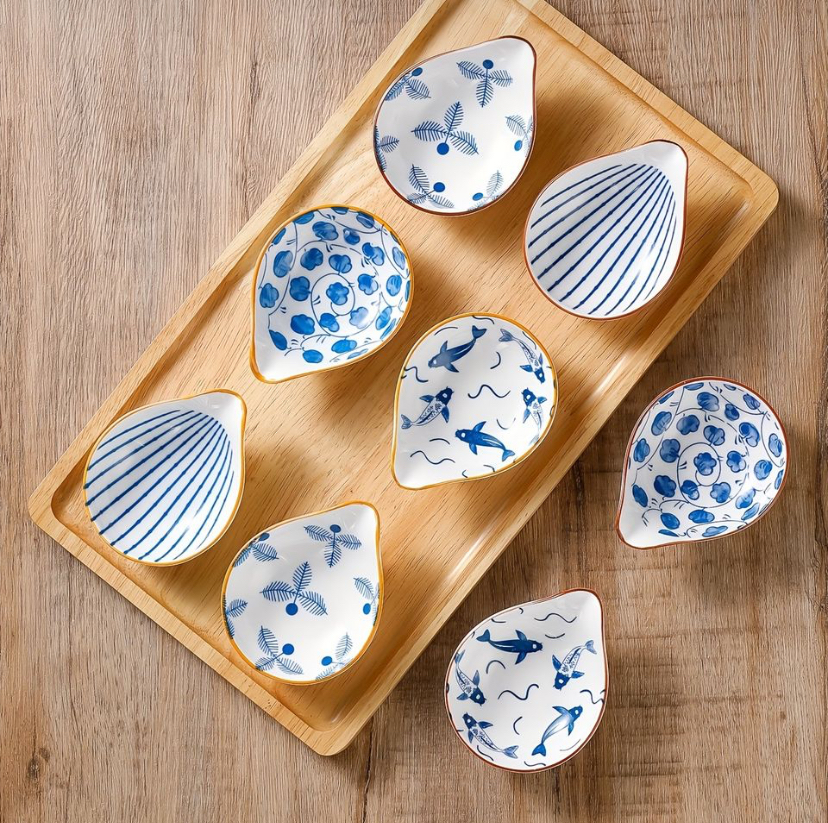
Plates, jars, and platters (such as Talavera or glazed ceramic) are often painted with motifs illustrating the flora, fauna, or agricultural history of the region.
El uso de manteles tejidos a mano, cestería para presentar el pan o el uso de jícaras talladas para beber destilados locales transforma el acto de comer en una experiencia cultural y sagrada.
Family heritage
(05)

Identidad Cultural
(06)

Las familias que dominan el arte de la alfarería o la cestería suelen ser las mismas que conservan las recetas más antiguas de la región.
La artesanía es una manifestación tangible del patrimonio cultural inmaterial que refleja la historia, los saberes y la cosmovisión de una comunidad. Los conocimientos, diseños y técnicas manuales pasan de padres a hijos o de maestros a aprendices, manteniendo viva la memoria colectiva.
Las materias primas usadas (minerales, fibras vegetales, arcillas, maderas o metales) se obtienen directamente del entorno natural en el que habita el artesano, lo que hace que cada pieza narre la relación del hombre con su paisaje. Más allá del objeto decorativo, las piezas cumplen funciones ceremoniales, domésticas, de vestimenta o herramientas de trabajo que definen la vida cotidiana del grupo.
Gallería
Artesanías totalmente realizadas a mano que reflejan la identidad de nuestro puerto


Contact the artisans of Chimbote
Now you will have the opportunity to contact your Chimbote artisan and order the craft you liked the most; many of them also offer workshops and tours of their studios.
(01)
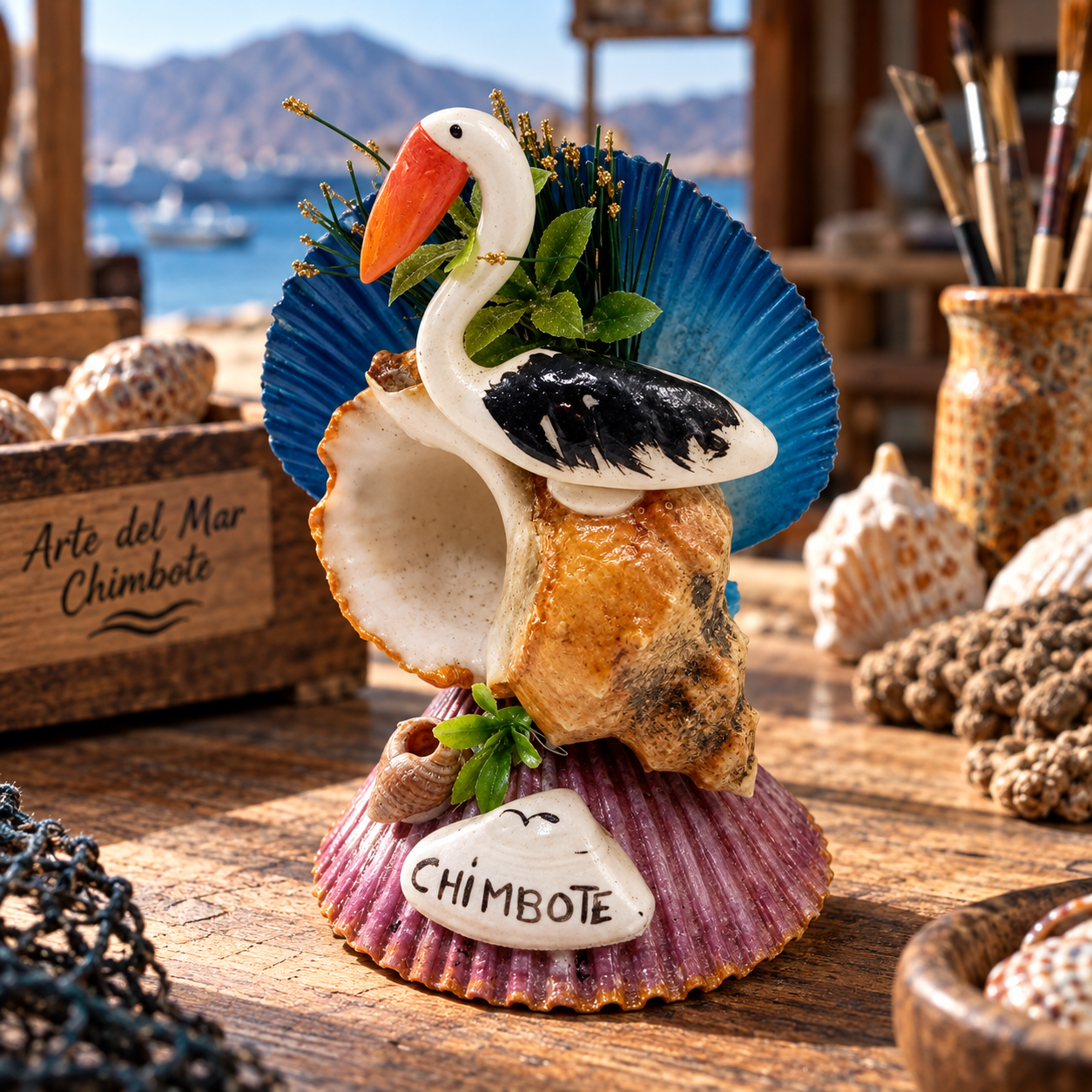
Chimbote Pelican
If you liked this craft, you can contact the artisan directly and get it.
Artisan:
Phone:
(02)
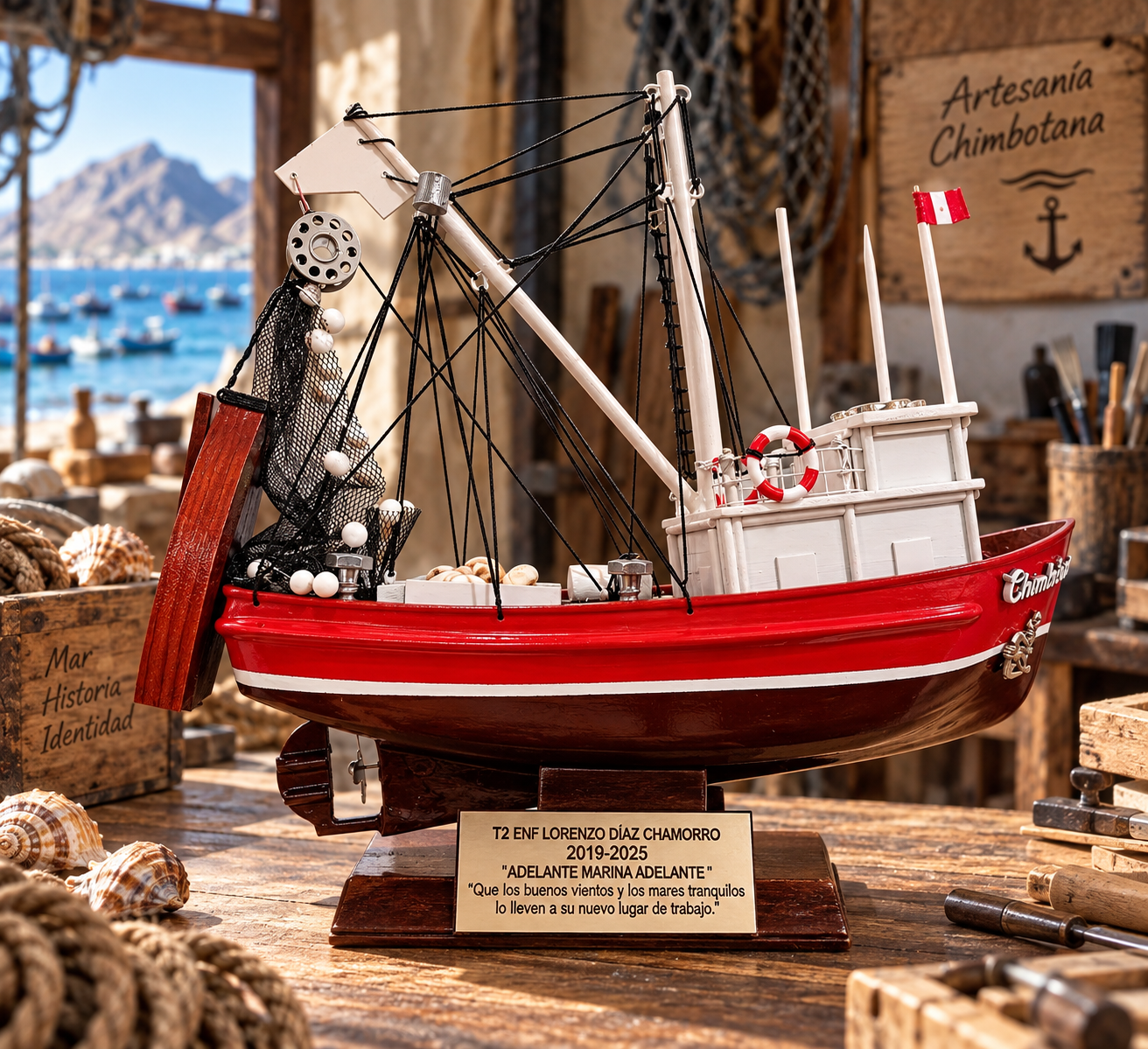
Barco Chimbotano
trabajado en acrílico y resina
Si te gustó esta artesanía puedes contactarte directamente con el artesano y conseguirla.
Artesano:
Telefono:
(03)
Chimbotano Little Boat
crafted from seashells and recycled nets.
If you liked this craft, you can contact the artisan directly and get it.
Artisan:
Phone: